DeKalb County Comprehensive Housing Plan
Please view the final draft of the Comprehensive Housing Plan here:
Latest Version October 12, 2026
Comprehensive Housing Plan - Appendices (DRAFT)
Community Showcase
CLICK HERE TO ACCESS THE VIRTUAL WORKSHOP: Virtual Workshop
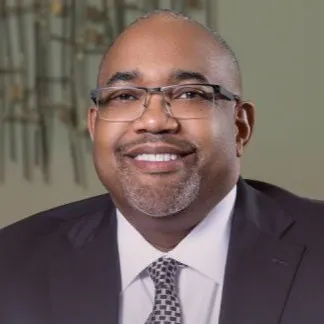
Thank you for joining DeKalb County's Chief Executive Officer, Lorraine Cochran-Johnson, and Chief Housing Officer, Dr. Alan Ferguson, on Monday, August 17th from 6 - 8 PM at the Porter Sanford III Performing Arts & Community Center for an important update on the county's first-ever Comprehensive Housing Plan. If you could not attend in-person, please watch the Community Showcase above, which details potential strategies, goals, and actions the county will pursue to address housing challenges for all residents. You can also participate in the Virtual Workshop to provide comments on the CHP.
The Virtual Workshop will conclude on September 2, 2026. Please provide any feedback prior to that date.
Project Background
DeKalb County is creating its first-ever Comprehensive Housing Plan to serve as a blueprint for addressing housing challenges across the community. The Comprehensive Housing Plan will address housing affordability, supply, and preservation needs to identify strategies that can alleviate housing pressures for existing residents and attract new residents to the county.
Here’s How You Can Help!
Robust community input, as well as cross-sector collaboration amongst public and private stakeholders, is crucial to ensure that the planning process and outcomes are informed by local expertise and leverage local resources. See how you can get involved below!
- Community Conversations: Review the results of March's Community Conversations! See Community Conversations for more information.
- Community Showcase: Watch August's Community Showcase and participate in the Virtual Workshop! See Community Showcase for more information.
Community Conversations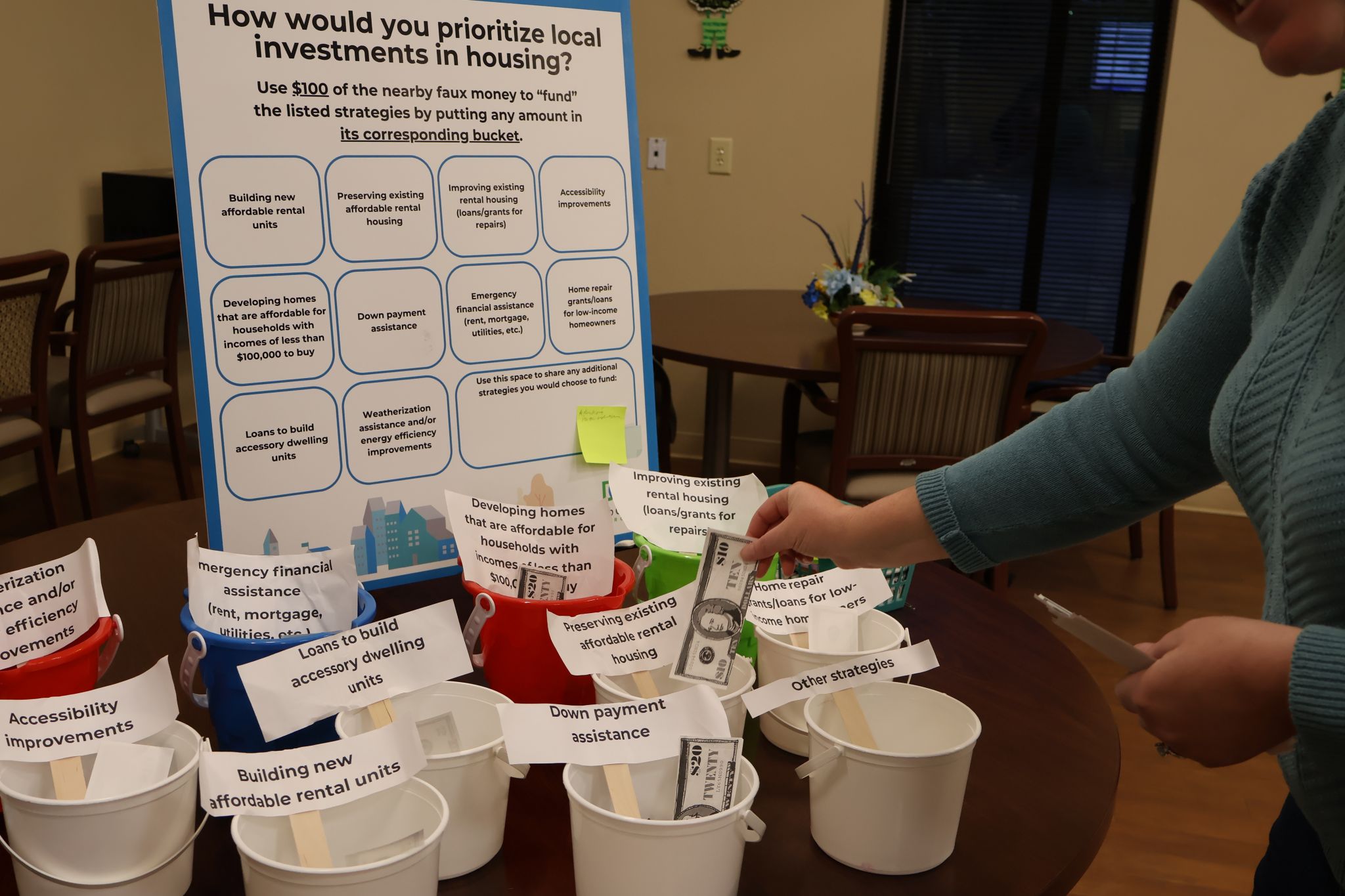
DeKalb County hosted Community Conversations events across the county to collect public input during March 2026 for its first-ever Comprehensive Housing Plan! 135 residents and stakeholders attended the five meetings in this series to provide crucial insights on the state of DeKalb County’s housing ecosystem and their priorities for the County. Five major takeaways can be synthesized from the results of activities and conversations held during these events:
- Top priority for residents is reducing housing cost burdens, followed by preserving existing affordable housing.
- "No quality homes in my price range" and “desired housing types are not available" were the most frequently cited as barriers to buying and renting housing, respectively.
- Residents prefer single-family housing over other housing types, but are open to duplexes, quadplexes, and similar small-scale multifamily options.
- Attendees most frequently cited school quality as the major driving factor influencing where they choose to live other than cost.
- Residents want more investment in strategies that will develop homes affordable to buy for households making less than $100,000 a year.
Other comments from attendees reflect a desire for more wheelchair accessible single-family and small-multifamily housing options, smaller housing types (i.e. cottages, ADUs, tiny houses) particularly for seniors, and sustainable transitional homes for unhoused residents or those undergoing other personal crises (e.g. mental instability, abusive households, etc.). To view the detailed breakdown of the results from each of our engagement activities, please visit the following link and peruse the tabs to navigate to the item you are most interested in: https://engagesycamore.mysocialpinpoint.com/DCCHP_CCResults.
Process & Timeline
- Project Initiation: October 2025
- Research & Analysis: November 2025 - April 2026
- Community Visioning: January - March 2026
- Plan Development and Review: May 2026 - October 2026
- Adoption: November 2026